Chamonix Made Easy

ContinentEurope

CountrySwitzerland, France

CityGeneva
Chamonix sits in a deep valley below Mont Blanc in the French & Swiss Alps, and most people arrive expecting one big mountain.
Instead, you get a whole cluster of them, plus a town that's been hosting climbers since the 1700s. The place rewards a little planning and punishes aimless wandering, so here's what actually matters.
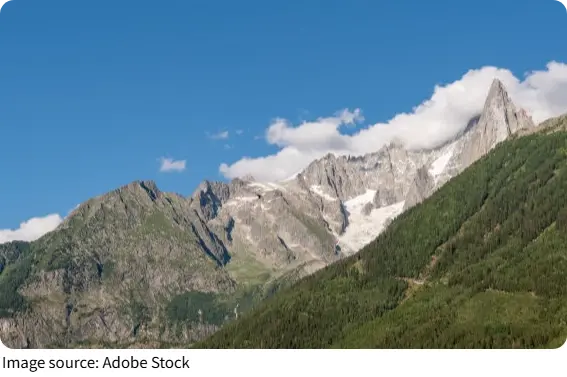
Why the Valley Splits in Two
The town runs along the Arve River, and the two sides serve different purposes. The Chamonix Sud side puts you close to the Aiguille du Midi cable car base and the bus hub. The town center side, near the tourist office on Place Balmat, keeps you within walking distance of the Montenvers train station and most shops. Pick your side based on which lift you'll use first in the morning. A hotel near the Aiguille du Midi base saves you a 15-minute walk at 7 am, when the queue starts to form.
The Two Lifts Worth Your Money
Aiguille du Midi takes you to 3,842 meters in about 20 minutes, and the lift ticket runs roughly 100 USD for adults in high season. Go early. The cable car fills fast after 9 am, and clouds often build by midday. Montenvers Mer de Glace is the other essential ride, a red train that climbs to 1,913 meters for a view of France's largest glacier. That ticket costs around 40 USD return. Both are separate from the local ski pass, so budget them individually.
Chamonix, France
Getting Around Without a Car
The valley bus network is about US$12. It links Chamonix to Les Praz, Argentière, and Le Tour, running roughly every 30 minutes in summer. Trains from Chamonix to Saint-Gervais and Vallorcine also stop at several villages in the valley. If you're coming from Geneva airport, the shared shuttle transfer takes about 90 minutes and costs around 45 USD one way. A rental car helps at outlying trailheads but becomes a liability for in-town parking, which charges by the hour.
When the Crowds Thin Out
July and August bring the heaviest foot traffic on the popular trails, and August 15 is the single busiest day of the summer in town. September is the sweet spot: lifts still run, the crowds drop, and hotel rates fall by 20 to 30 percent compared with peak summer. June works, though some high-altitude paths still have snow. Winter visitors should know that the Chamonix ski areas are at different elevations, so check snow reports by sector rather than trusting a single valley-wide number.
Practical Planning Notes
Buy lift tickets online the night before to skip the counter line. Bring a warm layer even in August, since the Aiguille du Midi summit often sits 15 to 20 degrees Celsius colder than town. Book accommodation at least two months ahead for summer weekends. And check the lift closing schedules before you commit to a late afternoon ride, because the last descent from the Aiguille du Midi usually leaves mid-afternoon.
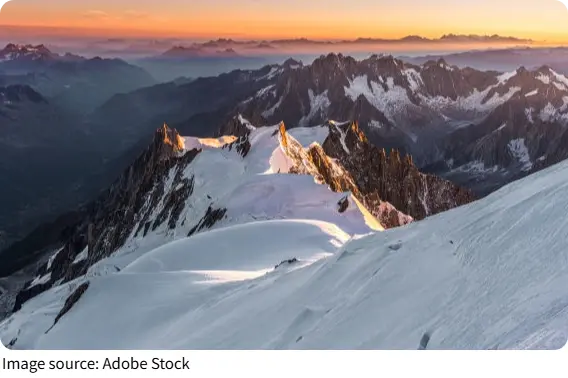
Chamonix works best when you treat the lifts and buses as a system rather than separate errands. Pick your first ride, buy the ticket early, and let the free valley buses handle the rest. The mountains aren't going anywhere, but the morning queues are, so get up there before they do.