Seattle Without the Crowds

ContinentsNorth America

CountriesUnited States

CitiesSeattle
Most Seattle itineraries read the same: Space Needle, Pike Place, a coffee, done.
That version works fine, but it leaves you standing in line with everyone else. The city gets much better once you step off that path.
Why the water defines the trip
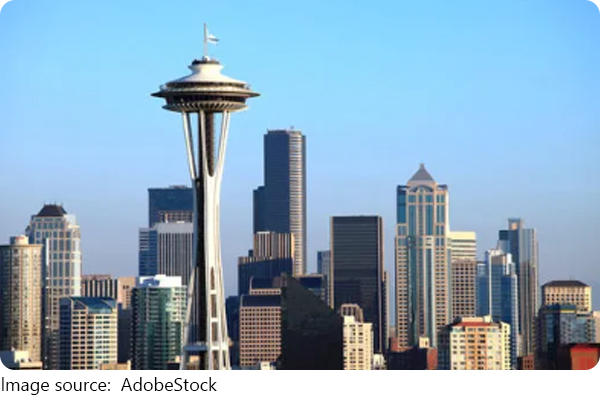
Seattle sits squeezed between Puget Sound and Lake Washington, and that geography shapes everything you do. Take the Washington State Ferry from downtown to Bainbridge Island, a 35-minute crossing that costs about $10 for a round-trip walk-on passenger. On a clear day, you get Mount Rainier over the water and the full skyline behind you. Locals use these ferries the way other cities use buses, so you'll be riding with commuters, not tour groups.
What to actually see first
Skip the observation deck and head to Kerry Park on Queen Anne Hill instead. It's free, it's small, and the view of downtown with Rainier behind it is the shot everyone wants. Then walk the Ballard Locks, where boats pass between the lake and the sound through a working lock system, and salmon climb the fish ladder in season. Both cost nothing and take an afternoon between them. For a rainy-day backup, the Chihuly Garden and Glass exhibit next to the Needle runs around $45 and holds up even when the weather doesn't.
Seattle
Getting around without a car
You can cover a lot of Seattle on foot and by light rail. The Link line runs from the airport to downtown in about 40 minutes for $3, and it drops you off near Westlake, putting Pike Place and the waterfront within walking distance. Buses fill the gaps to neighborhoods like Capitol Hill and the University District. Rent a car only if you're heading out to the mountains. Parking downtown runs $20 to $40 a day, and that adds up fast.
Timing your visit around the rain
The rain reputation is real but overstated. Most of it comes as light drizzle from October through March, not downpours. July and August are dry and bright, and that's when hotel rates climb to $250 and up downtown. Come in late spring or early fall, and you'll pay closer to $150 to $180 a night, with fewer crowds at the market and the museums. Pack a rain shell either way, and plan one indoor stop per day so a wet morning doesn't wreck the schedule.
A practical plan to steal
Book your accommodation near Westlake or Capitol Hill so transit does the work for you. Give yourself one full day for the waterfront and Pike Place, one for Ballard and the locks, and one for a ferry ride or a trip up to Discovery Park, the city's largest green space at 534 acres. Buy an ORCA card at any light rail station for $3 and load it up; it works on buses, trains, and ferries, and it saves you from fumbling for change.

Seattle rewards the traveler who trades the checklist for a ferry ride and a neighborhood walk. Grab that ORCA card, ride the water once, and let the city show you why locals stay.