Zermatt Without a Car

ContinentsEurope

CountriesSwitzerland

CitiesZurich
Hello, everyone. Most alpine towns let you drive right up to your hotel door.
Zermatt doesn't. The village sits at the end of a valley in the Swiss Alps and bans private combustion cars entirely, so your trip starts with a train ride or a shuttle to Tasch, then a transfer onto the narrow-gauge line that finishes the climb. It sounds like a hassle. It's actually the reason the place feels the way it does.
Zermatt
Getting there takes two steps
You can't drive into Zermatt, but you can get close. Park your car in Tasch, a small town about 5 km down the valley, where a covered garage holds roughly 2,000 spaces and charges around 15 to 18 USD per day. From there, a shuttle train covers the last stretch in about 12 minutes. If you're coming from Zurich, the direct train runs roughly 3.5 hours and drops you at the station in the village center, steps from the main street. Book seats in advance during ski season, because the early trains fill up fast.
Small electric taxis do the hauling
No engine noise, no exhaust, but the village isn't silent. A fleet of tiny battery-powered taxis moves luggage and people around the narrow lanes, and hotels send them to meet arriving trains. Fares run a flat rate inside the village, usually around 12 to 15 USD, so you're not watching a meter. Most of the center is walkable in 15 minutes anyway. Wear proper shoes, since the lanes are cobbled and steep in places, and snow piles up on the edges through winter.
Two mountains, two very different days
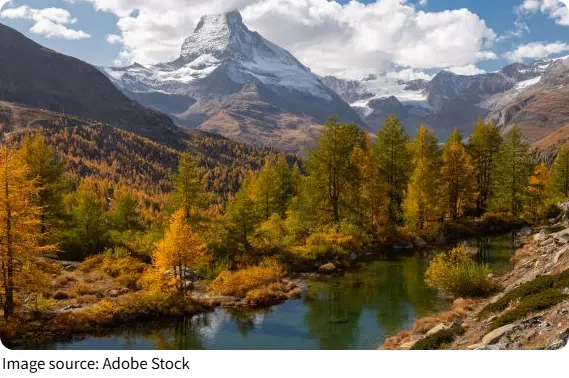
The classic move is the Gornergrat railway, a cog train that climbs to 3,089 meters and gives you a straight view of the Matterhorn across the valley. A round trip costs roughly 130 USD in peak season, and the ride up takes about 33 minutes. Then there's the Klein Matterhorn cable car, which reaches 3,883 meters, the highest cable car station in Europe. It's colder and thinner up there, so pack a layer even in summer. Both are worth doing, but not on the same day. Give each one its own morning.
Timing beats crowds
July and August bring hikers, and the Christmas to New Year stretch is the busiest of all. Aim for late June or early September if you want trails open without the crush. Summer lift passes often cost less than winter ski passes, and many hiking routes open right from the village, so you don't need a ticket at all. Check the mountain webcams before you commit to a high-altitude day. Cloud can sit on the summit while the village stays sunny.
Book the train before the room
Hotels near the station cost more, but they save you the taxi haul with luggage. If you're on a budget, look up the hill toward Winkelmatten, where rooms run cheaper and the walk down takes about 15 minutes. Reserve your inbound train seat as soon as your dates are fixed, and confirm whether your hotel offers a pickup from the station. That one email saves you dragging a suitcase over cobblestones.
Food and dining prices
Dining in Zermatt is generally expensive, even by Swiss standards. A casual lunch or café snack typically costs around US$20–$30 per person, while a sit-down dinner at a mid-range restaurant ranges from US$35–$60 for a main course. If you prefer to self-cater, local supermarkets offer basic supplies for around US$15–$25 per person per day. Many hotels include breakfast, which can help keep daily food costs down.
Where to stay
Zermatt offers accommodation across several price ranges. Budget guesthouses and hostels generally cost around US$60–$120 per night, while mid-range hotels range from US$150–$300. Luxury hotels and spa resorts can cost US$400 or more per night, especially during peak ski season. Staying in the Winkelmatten area (uphill from the center) often provides slightly cheaper rates in exchange for a 15-minute walk to the main station.
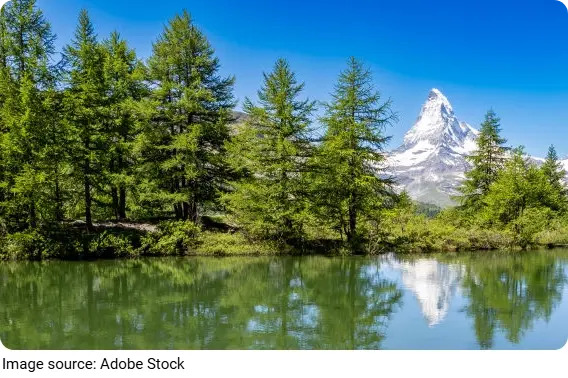
The thing to remember about Zermatt is that the no-car rule isn't a restriction you work around. It's the reason the air is clean, the streets stay quiet, and the Matterhorn view isn't broken up by a parking lot. Next time you plan an alpine trip, look at the train schedule first, then the hotel. You'll end up somewhere better for it.