Trekking Mount Rinjani

ContinentsAsia

CountriesIndonesia
Mount Rinjani is one of Lombok, Indonesia’s most striking natural destinations.
Rising approximately 3,726 meters above sea level, the volcano attracts hikers with dramatic mountain scenery, sweeping views, and the beautiful Segara Anak crater lake.
Whether planning a short hiking trip or a longer adventure, understanding the routes, costs, and conditions can make the experience more comfortable.
Choosing the Right Trekking Route
Two popular starting points are Sembalun and Senaru. Each offers a different experience, so the best choice depends on the available time and preferred difficulty. Sembalun is often chosen by hikers aiming for the summit. Its open grassland scenery provides expansive views, although the exposed trail can feel demanding under direct sunlight. The ascent includes steep sections that require steady pacing and sufficient water.
Senaru offers a greener approach through forested terrain, with shaded stretches and views across the surrounding landscape. Some itineraries focus on the crater rim rather than the summit, making them an option for travelers who prefer a shorter trip.
What to Expect Along the Trail
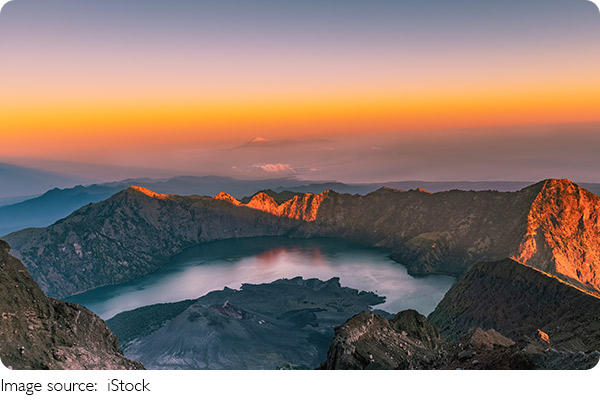
A Mount Rinjani trek can include volcanic slopes, ridgelines, forest paths, and spectacular viewpoints. On longer itineraries, hikers may descend toward Segara Anak, a crater lake surrounded by rugged mountain scenery. Summit attempts commonly begin before sunrise to help hikers reach the top early in the day.
The final ascent can be particularly challenging because the terrain is steep, loose, and physically demanding. Cold temperatures, wind, and reduced visibility may also affect the experience.
A two-day, one-night itinerary generally focuses on the summit and crater rim, while a three-day, two-night trip may allow more time for the lake and additional viewpoints. Exact inclusions depend on the trekking operator and route.
Mount Rinjani
Estimated Trekking Costs
Budgeting ahead helps travelers compare packages and avoid unexpected expenses. The following figures are approximate planning estimates rather than guaranteed current rates.
Two-day, one-night trek: around US$120–275 per person.
Three-day, two-night trek: around US$180–395 per person.
Accommodation before the trek: approximately US$15–35 per night.
Transport to the trailhead: roughly US$40–150 per vehicle, depending on the pickup location.
Meals and snacks outside the package: allow around US$10–25 per day.
Preparing for the Climb
Physical preparation is important because Rinjani involves sustained uphill walking, steep descents, and uneven ground. Regular hikes, stair climbing, and cardiovascular exercise can help build stamina before departure. Pack sturdy hiking shoes with reliable grip, layered clothing, a waterproof jacket, a headlamp, sun protection, and a small personal first-aid kit.
Temperatures can change considerably between the lower slopes and the summit, making warm layers especially useful.
Bring enough water and snacks for the day, while following the guide’s advice on hydration and food supplies. A properly fitted backpack can make carrying essential items easier. Travelers should also allow time to rest before the trek rather than beginning the climb exhausted after a long journey.
Weather and Responsible Trekking
Weather conditions can affect visibility, trail safety, and summit access. The dry season is often preferred for hiking, but conditions remain unpredictable at high elevations. Trails may be slippery after rain, and strong winds can make exposed areas uncomfortable. Follow local regulations and the guide’s instructions throughout the trip.
Stay on established paths, take personal rubbish back with you, and avoid disturbing plants and wildlife. Respecting the landscape helps preserve the mountain for future visitors.
Check current trail access, park requirements, and safety guidance before traveling. Trekking availability and permitted routes can change according to conditions, so confirm arrangements with an authorized local operator.
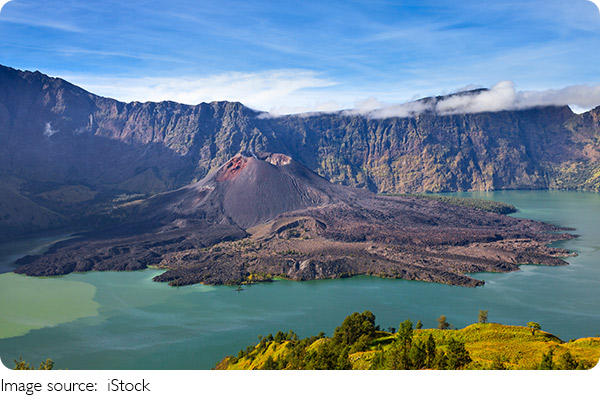
Mount Rinjani offers a memorable mountain experience, from forest trails and open ridgelines to the dramatic scenery surrounding Segara Anak. Choosing an itinerary that matches personal fitness, preparing for changing weather, and understanding the costs can make the journey more manageable. A thoughtful approach to safety and environmental care helps ensure that the mountain remains a rewarding destination for years to come.