Humayun’s Tomb: Magnificent

Owen Murphy
| 29-11-2024
 · Travel team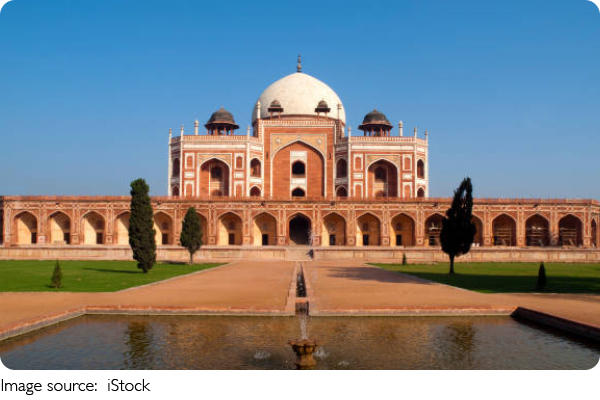
In New Delhi, Humayun's Tomb is a magnificent example of Mughal architecture and one of India's most famous historical landmarks. This UNESCO World Heritage site provides tourists with a taste of the grandeur and beauty of the Mughal Empire while standing tall.
Dear Lykkers! With its opulent domes, verdant gardens, and elaborate patterns, Humayun's Tomb is the ideal fusion of art, history, and peace.
How to Reach Humayun’s Tomb
By Metro: The nearest metro station is Hazrat Nizamuddin Metro Station, located about 10 minutes away from the tomb by auto-rickshaw or a 20-minute walk.
By Bus: Several buses connect Humayun's Tomb to other parts of Delhi, with a bus stop nearby.
Discover the Hidden Gems of Coyote Buttes – A Journey to the World's Most Surreal Landscapes!
Unveil the Hidden Wonders of Dubrovnik Old Town – A Timeless Experience!
Why The Old Man of Storr is Scotland's Most Breathtaking Hike!
This Hidden Lighthouse in Spain Will Leave You Speechless!
Why Trafalgar Lighthouse is the Ultimate Hidden Gem You Need to Visit!
Must-See Attractions in La Coruña You Can't Miss!
By Taxi or Auto-rickshaw: You can easily hire a taxi or auto-rickshaw to reach Humayun’s Tomb from anywhere in the city.
The Historical Significance of Humayun’s Tomb
Legacy of the Mughal Dynasty:
Built in 1565, Humayun’s Tomb is the final resting place of Emperor Humayun, the second ruler of the Mughal Empire. Designed by the Persian architect Mirak Mirza Ghiyas, it was commissioned by Empress Bega Begum, Humayun's first wife. The tomb was one of the first structures to introduce the Persian-style garden tomb to India, setting a precedent for later Mughal tombs, including the Taj Mahal.
Architectural Brilliance:
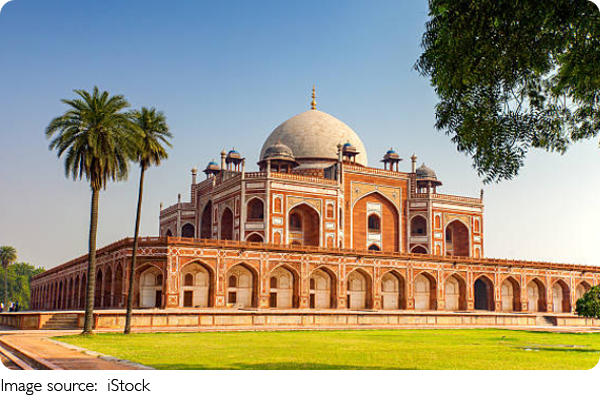
The tomb’s design incorporates Persian, Timurid, and Mughal elements, blending them seamlessly into an awe-inspiring architectural structure. Its charbagh (four-part garden) symbolizes the Mughal concept of paradise. The majestic dome, standing at a height of 42 meters, is a remarkable feature that dominates the skyline. The intricate carvings, marble inlays, and symmetrical layout make Humayun’s Tomb an architectural marvel.
Things to Do at Humayun’s Tomb
Explore the Magnificent Gardens:
The tomb is set amidst sprawling gardens with meticulously designed pathways, water channels, and fountains. A walk through these lush gardens will make you feel like you're stepping into another era. The serene atmosphere is perfect for a peaceful stroll or to enjoy the beauty of nature.
Visit the Tomb of Humayun:
The tomb itself is a sight to behold, with its stunning red sandstone structure and white marble inlays. Take time to admire the intricate detailing and the peaceful surroundings of the tomb. Inside, you’ll find the humble tomb of Humayun, surrounded by his family members.
Photograph the Beauty of the Monument:
Humayun’s Tomb is a photographer’s dream. From the reflecting pool to the majestic dome, every angle offers a perfect shot. Don’t forget to snap a few pictures of the tomb framed by the lush green gardens.
Best Time to Visit Humayun’s Tomb
The best time to visit Humayun’s Tomb is during the winter months (October to March), when the weather in Delhi is cooler and pleasant. Mornings and late afternoons are particularly ideal for visiting, as the lighting enhances the beauty of the tomb and gardens. Early mornings are especially peaceful, with fewer crowds.
Dining Options:
The Humayun's Tomb Café: Located near the entrance, it offers a variety of Indian snacks, sandwiches, and beverages, with prices ranging from ₹200 to ₹600.
Delhi’s Street Food: After visiting the tomb, try some delicious street food in the nearby Nizamuddin area like kebabs and chaat, with prices starting from ₹100 to ₹300.
Accommodation Options:
The Lutyens Hotel: A luxurious hotel with excellent amenities located about 15 minutes away from Humayun’s Tomb. Rooms start at ₹6,000 per night.
Sagar Residency: A budget-friendly hotel close to Humayun’s Tomb, offering comfortable stays starting from ₹2,000 per night.
Humayun’s Tomb is a must-visit destination for anyone interested in history, architecture, or nature. Its grandeur, beauty, and peaceful atmosphere make it a perfect escape from the chaos of the city. A visit to Humayun’s Tomb will leave you awestruck. Don’t miss out on exploring this Mughal masterpiece when you’re in New Delhi!