Key Gompa Monastery

Liam Reilly
| 14-11-2024
 · Travel team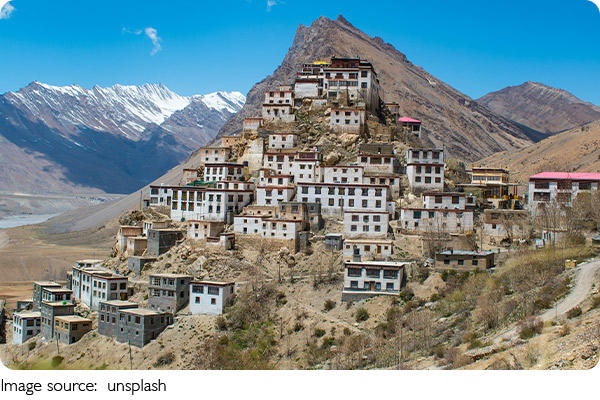
Hidden within the rugged landscape of Spiti Valley, Key Monastery—also known as Key Gompa—stands as a testament to ancient Tibetan Buddhist culture.
Towering over the Spiti River at an altitude of 4,166 meters, this 1,000-year-old monastery is the largest in the Spiti region and serves as a vibrant center for Buddhist learning.
How to Reach Key Monastery
By Road: The nearest major town is Kaza, from where Key Monastery is a 30-minute drive. Buses from Manali and Shimla to Kaza operate regularly during the summer months, and you can hire a taxi from Kaza to reach the monastery.
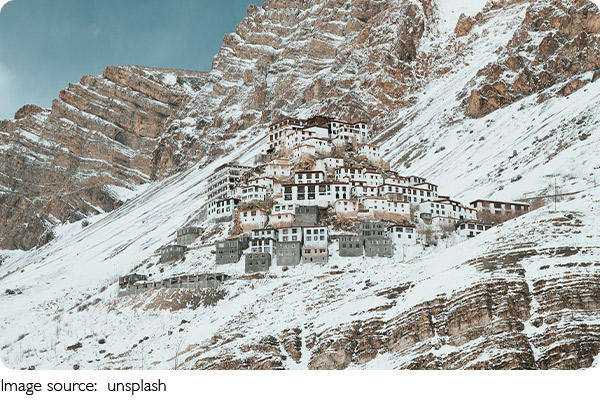
Best Time to Visit: June to September is ideal for visiting Key Monastery, as the weather is clear and most roads are accessible. Winters are harsh in Spiti Valley, and the region is often cut off due to heavy snowfall, making travel challenging.
Experience the Hidden Paradise of Charmadi Ghat in Karnataka!
Explore Continuum on South Beach, a luxury spot with exclusive amenities and vibrant nearby attractions.
Lotus-Laden Waters & Tigers: Discover Padma Talao in Ranthambhore
Have you been to the Kashmir of South, Munnar it is must visit place in India
Why Mamallapuram Lighthouse Should Be Your Next Travel Stop in Tamil Nadu!
Dal Lake Transforms Into a Snowy Paradise in Winter, Showcasing Kashmir’s Icy Beauty
The Origins of Key Monastery:
Key Monastery has a history dating back to the 11th century and is associated with the Gelugpa sect of Tibetan Buddhist. Founded by the famous Buddhist teacher Dromtön, a disciple of the revered teacher Atisha, the monastery has survived centuries of natural disasters, invasions, and even a fire. Despite these hardships, it has been restored repeatedly, embodying resilience and dedication to preserving Buddhist teachings.
The Monastery’s Unique Architecture:
Fortress-Like Structure: Key Monastery's architectural style is unique. Built in a Tibetan style with multiple layers, it resembles a fortress clinging to the mountainside. The monastery is a labyrinth of rooms, corridors, and meditation chambers, each telling stories of Spiti’s monastic heritage.
Ancient Murals and Thangkas: The monastery houses a treasure trove of historical art, including exquisite murals and ancient Thangka paintings that depict Buddhist deities and events from the Buddha's life. Some of these artworks are over a thousand years old and provide a glimpse into ancient Tibetan culture.
Key Monastery: Life of Monks at Remotest Place of India | Spiti Stories EP-01
Kanishk Gupta
Daily Life at Key Gompa:
Key Monastery is home to around 300 lamas (monks), who dedicate themselves to prayer, meditation, and study. The monastery has a traditional Tibetan library, where texts and manuscripts are carefully preserved. Visitors can witness the monks’ peaceful lifestyle and may even join in their morning prayers, a mesmerizing experience.
Interacting with the Monks: The monks here are welcoming and often engage with visitors, sharing insights into their spiritual practices and daily lives. Many travelers find these interactions deeply moving and educational, adding depth to their journey.
Participating in Festivals: One of the best times to visit Key Monastery is during the Chaam Festival, when monks perform traditional masked dances and rituals to honor local deities. The festival is a vibrant celebration of Tibetan culture and offers visitors an unforgettable cultural experience.
Popular Trekking Trails Near Key Gompa:
For nature lovers and adventure enthusiasts, the trails around Key Monastery offer breathtaking views and an opportunity to connect with the dramatic landscape of Spiti Valley.
Key to Kibber Village Trek: Kibber is one of the highest villages in the world and is about 6 km from Key Monastery. This trek is a great way to witness the surrounding valleys and interact with locals in traditional Tibetan villages. The path offers stunning views of the Spiti River and snow-capped mountains.
Key to Langza Trek: Langza village is famous for its giant Buddha statue and ancient fossils. The trek from Key Monastery to Langza takes about 4-5 hours and passes through rugged terrain, offering fantastic views of the Himalayan mountains.
Staying in Spiti Valley:
While there are no hotels directly at Key Monastery, there are accommodations in nearby villages such as Kaza and Kibber.
Guesthouses in Kaza: Kaza, located 14 km from Key Monastery, has several cozy guesthouses like Hotel Spiti Sarai and Sakya Abode. Rooms range from ₹1,500 to ₹3,000 per night, offering basic amenities and comfortable stays.
Homestays in Kibber: Staying in a homestay allows you to experience the hospitality of Spitian families. Rates typically range from ₹1,000 to ₹2,000 per night, and many homestays include meals prepared with locally sourced ingredients.
Where to Eat:
Dining options are limited around Key Monastery, but some guesthouses and homestays offer meals, often featuring delicious Tibetan dishes like thukpa (noodle soup) and momos (dumplings).
Yak Café in Kaza: This café serves popular Tibetan dishes and local snacks. A meal here costs around ₹200-₹400 per person and is a great spot to relax and enjoy local flavors.
Key Monastery offers a truly unique experience, where spirituality, adventure, and cultural immersion come together. Surrounded by the stark beauty of the Spiti Valley, Key Monastery is more than just a tourist attraction—it’s a journey into the soul. Dear Lykkers, either you’re seeking tranquility, adventure, or inspiration, a visit to Key Monastery will leave you with memories and stories that last a lifetime.