Discover Khusro Bagh

Mukesh Kumar
| 14-11-2024
 · Travel team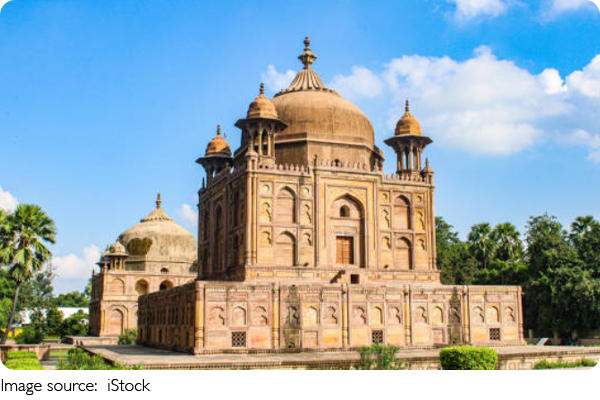
Hello, Lykkers! If you're a fan of history and architectural splendour, then Khusro Bagh in Prayagraj, Uttar Pradesh, is a must-visit.
Let's take a journey through this Mughal-era garden and its intricate heritage!
History of Khusro Bagh
Khusro Bagh was built in the early 17th century during the reign of Emperor Jahangir. It is named after Khusro Mirza, the eldest son of Jahangir and the grandson of Akbar the Great. The garden's historical importance lies in its connection to Khusro's tragic story.
He rebelled against his father Jahangir in a bid for the throne but was eventually captured, imprisoned, and later executed.
Cultural Significance
Khusro Bagh is not only a symbol of Mughal architecture but also a testament to the turbulent history of the Mughal dynasty. It stands as a reminder of the power struggles within the Mughal empire and the tragic fate of Khusro Mirza.
Step Into Ladakh's Royal Past: Why Leh Palace Is a Must-See?
A 2-Day Nature Escape to Lower Düden Waterfalls-Serenity Awaits
Discover the Beauty of Maligne Lake
Let us explore the rich stories that surround Dona Paula Beach and what makes it a must-visit place!
Is Arambol the Coolest Beach in Goa? Here's Why!
The 10 Most Famous Mountains Peak in The Alps!
The Majestic Khusro Bagh
Khusro Bagh is a large, walled garden that houses the mausoleums of Khusrau Mirza, the eldest son of Mughal Emperor Jahangir, and other members of his family.
Spanning over 40 acres, it is a historical gem that showcases Mughal architecture at its finest.
Khusro Bagh | Tomb of Mughal architecture of Prayagraj
Video by- Explore Our Nation
Architectural Highlights
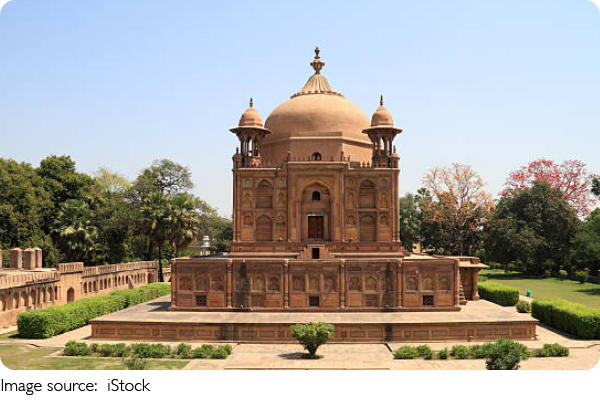
Khusro Bagh features classic Mughal architecture with sandstone structures adorned with intricate carvings and frescoes. The complex has three main tombs:
Shah Begum's Tomb
•Shah Begum's tomb is the most prominent and the oldest in the complex. It is constructed with red sandstone and features elaborate Persian inscriptions and floral patterns.
•The tomb reflects a blend of Hindu and Mughal architectural styles, showing the cultural amalgamation of the era.
•The interior walls are adorned with detailed frescoes, showcasing beautiful calligraphy and floral motifs.
Prince Khusro's Tomb
•The tomb of Prince Khusro is relatively simple in its exterior design but has a richly decorated interior with intricate floral designs and Persian calligraphy.
•It has a square structure with a large central dome, characteristic of Mughal mausoleum architecture.
Nithar Begum's Tomb
•Nithar Begum, Khusro's sister, also has her tomb in the complex. It is a unique two-story structure with a mix of Mughal and Rajput architectural styles.
•The tomb features an arched verandah on all four sides, with beautifully carved floral patterns on the sandstone exterior.
Architectural Beauty
Khusro Bagh is an excellent example of Mughal architecture. The intricate designs, elaborate archways, and beautiful frescoes on the walls reflect the Persian influence on Mughal artistry. The tomb of Shah Begum is the oldest and features impressive stone carvings, while Nithar Begum's tomb is known for its intricate jaali (lattice) work and stunning floral designs.
Cultural and Modern Relevance
Today, Khusro Bagh is a popular tourist attraction, drawing history enthusiasts, photographers, and locals alike. It is also a hub for cultural events, heritage walks, and exhibitions, keeping the legacy of the Mughal era alive in modern times.
The garden's tranquil environment provides a perfect spot for people to learn about history while enjoying a leisurely stroll.
Khusro Bagh offers a remarkable glimpse into the Mughal dynasty's rich history and architectural brilliance. As you wander through the gardens and observe the intricately designed tombs, you can almost feel the echoes of the past and the stories of a bygone era.