Mystery of Teli Temple

Caleb Ryan
| 14-11-2024
 · Travel team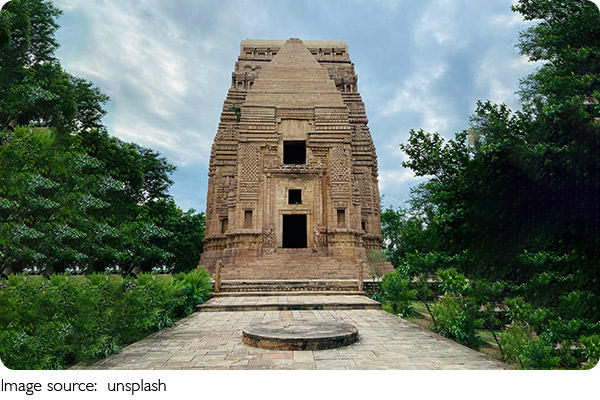
Dear Lykkers! If you're a history enthusiast or a lover of ancient architecture, then Teli Temple in Gwalior, Madhya Pradesh, should be high on your travel list.
While it's often overshadowed by the more famous Gwalior Fort, the Teli Temple remains an important piece of the city's architectural and spiritual heritage. Here's everything you need to know before you visit this fascinating temple.
How to Reach Teli Temple
By Air: The nearest airport is Gwalior Airport, which is about 8 km from the fort complex. It is well-connected to major cities like Delhi, Mumbai, and Bhopal.
By Train: Gwalior is connected by rail to various cities, including Delhi, Agra, and Jaipur.
By Road: The city is well-connected by road, and local taxis or auto-rickshaws can be hired to take you to the fort.
There are oases everywhere in the desert.
Discover the alien-like landscapes on Earth, from Socotra Island to Dry Valley in Antarctica.
From leisure to luxury, yachting unveils the sea's thrilling realm of opulence and adventure.
Discover the history and significance of Dutch windmills.
This is the most worthwhile seaside view of summer, and 99% of people have gone wrong.
The Empire State Building in New York is the strongest building in the United States.
The Architecture of Teli Temple: A Blend of Styles
Teli Temple is an exceptional example of the fusion of architectural styles, something that makes it stand out in the land of ancient temples. Built around the 8th century, the temple's architecture showcases a distinct combination of North Indian and South Indian styles.
The Nagara style influence can be seen in the temple's curved spire and shikhara (tower), while the temple's base features Dravidian-style elements. The temple is rectangular in shape, and the central dome above the sanctum is flanked by smaller towers on each side. The spire rises sharply into the sky, giving the temple a majestic presence. The intricate carvings on the walls depict Hindu deities and mythological stories, offering a glimpse into the craftsmanship and artistic brilliance of the era.
Spiritual Significance: A Tribute to Lord Vishnu
Teli Temple is primarily dedicated to Lord Vishnu, who is the presiding deity of the temple. The temple's name, "Teli," is believed to be derived from the term "Teli", meaning oil merchant, suggesting that it may have once been maintained or patronized by oil traders. However, the spiritual significance goes beyond just the deity. The temple is part of the greater spiritual landscape of Gwalior Fort, a place of immense historical and cultural importance.
Though the temple is dedicated to Vishnu, it also holds reverence for Shiva and other Hindu gods, as seen in the carvings on the walls. The temple is often visited by pilgrims who seek blessings for prosperity, health, and spiritual growth. Its serene environment and stunning architecture make it an ideal spot for quiet reflection and meditation.
Historical Background: A Temple with Mysteries
The origins of the Teli Temple remain a mystery, but historical records suggest that it was constructed during the Pratihara dynasty, which ruled this region around the 8th century. However, some scholars believe that it may have been built earlier. The temple has withstood the test of time, surviving numerous invasions, and continues to stand tall, serving as a reminder of India's glorious architectural past.
Interestingly, the temple's location within the Gwalior Fort complex is no coincidence. The region was once a thriving cultural and spiritual hub, and the temple was likely part of a larger spiritual and architectural plan. Despite its age, Teli Temple remains remarkably well-preserved, allowing visitors a rare glimpse into the grandeur of medieval Indian architecture.
The Telika Temple (Gwalior - India)
Video by valpard
Visiting Teli Temple: What You Need to Know
The Teli Temple is located inside the Gwalior Fort, which is itself an architectural marvel. To reach the temple, visitors typically need to enter the fort premises, which involves a small trek or a vehicle ride up the hill. Once inside the fort, it's a short walk to the temple, which is nestled among other historical structures.
Best Time to Visit
The best time to visit Teli Temple is during the winter months (October to March) when the weather is more pleasant and ideal for sightseeing. Summers in Gwalior can be quite hot, so it's advisable to plan your visit during the cooler months.
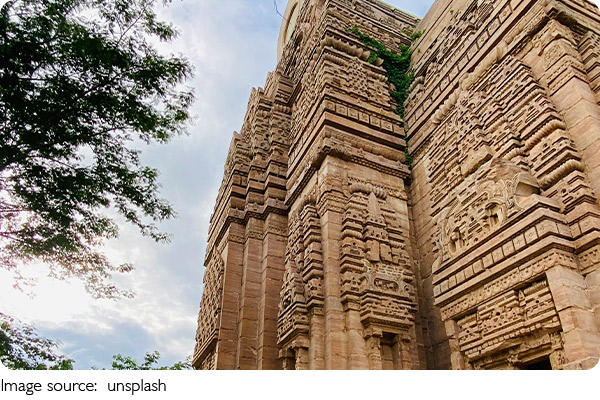
Teli Temple in Gwalior is a testament to India's rich history and diverse architectural styles. The temple's grandeur, combined with its spiritual significance, makes it one of the hidden gems of Madhya Pradesh. So, make sure to add this stunning temple to your itinerary the next time you visit Gwalior.