Jaipur’s Ancient Stepwell

Declan Kennedy
| 13-11-2024
 · Travel team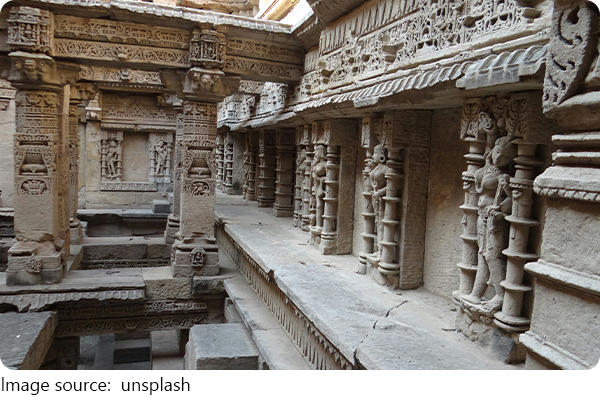
Hello, Lykkers! If you’re a fan of historical architecture and hidden gems, then the ancient stepwell in Jaipur, India, is a must-visit spot for you.
The ancient stepwell, known locally as “Baori” or “Baoli,” is one of the lesser-known but fascinating attractions in Jaipur. It stands as a testament to the brilliant engineering and architectural prowess of ancient India.
Architectural Significance
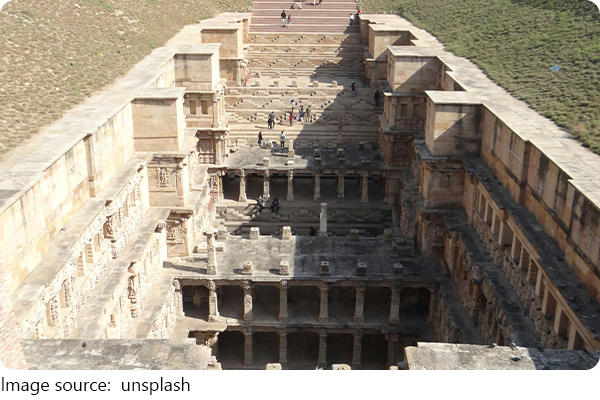
The stepwell in Jaipur is a marvel of symmetry and precision. With its multiple levels of steps leading down to the water reservoir, it showcases the intricate design typical of Rajasthan’s stepwells.
The architecture features geometric patterns and ornate carvings, reflecting the rich cultural heritage of the region. As you descend the stone steps, you can feel the temperature drop, offering a cool retreat from the heat, which was one of its practical purposes.
Let us learn about the might of Chhatrapati Shivaji Maharaj.
Let us discover the Enchanting land of Kerala with rich and diverse culture!
Unveiling Toledo, Spain: A Voyage into History and Culture
Grand Canyon National Park: Nature's Wonder That You Only See In the Movies Is Here
Heavenly Natural Landscape of Leh Ladakh: A Land of High Peaks, Valleys, and Lakes To Welcome You!
Unforgettable Experiences to Gain in Croatia
Historical Importance
Dating back to the 16th or 17th century, these stepwells were vital for storing rainwater, especially in the dry seasons. They were constructed not just for water storage but also as places for community gatherings, rituals, and rest stops for travelers.
The stepwell’s historical significance lies in its utility and its role in the daily life of the local people.
An Ancient Stepwell: Chand Baori in Rajasthan | Aerial India | CNA Insider
Video by-CNA Insider
How to Reach
The ancient stepwell is easily accessible from the main city of Jaipur. You can reach it by taking a short drive from the central part of the city. Many guided tours include this stepwell as part of their itinerary, especially for those interested in exploring historical and offbeat locations.
Best Time to Visit
The best time to visit is during the early morning or late afternoon when the sunlight casts dramatic shadows on the steps, enhancing the beauty of this architectural marvel. Monsoon season is particularly charming as the rainwater fills the stepwell, reviving its ancient purpose.
Other Notable Stepwells Near Jaipur
While Panna Meena Ka Kund is the most famous stepwell in the Jaipur region, there are other significant stepwells worth exploring:
Abhaneri Stepwell (Chand Baori)
• Location: Situated in Abhaneri Village, about 95 km from Jaipur, Chand Baori is one of the largest and deepest stepwells in India.
• History: Built in the 9th century by King Chanda of the Chauhan Dynasty, it has about 3,500 narrow steps arranged over 13 stories.
• Architecture: The stepwell is about 30 meters deep, and its symmetrical, crisscrossing steps form a mesmerizing geometric pattern. The intricate carvings and the Harshat Mata Temple nearby make it a must-visit site.
Nahargarh Baori
• Location: Located near the Nahargarh Fort in Jaipur, this stepwell is lesser-known but equally fascinating.
• History: Built in the 18th century during the reign of Maharaja Sawai Jai Singh II, the stepwell served as a water reservoir for the fort’s residents.
• Features: The baori is relatively small compared to other stepwells but has a unique structure with steps leading down to the water. It offers stunning views of Jaipur from the fort above.
Modern-Day Attraction
Today, the stepwell in Jaipur has become a popular site for photographers and history enthusiasts. Its stunning symmetry and the play of light and shadow throughout the day make it an incredible subject for photography.
The stepwell is often featured in Bollywood movies and travel documentaries, further increasing its allure.
Importance of Stepwells in Rajasthani Culture
• Water Conservation: Stepwells were an ingenious solution for water conservation in Rajasthan’s arid climate. They provided a sustainable water source throughout the year, especially during dry seasons.
• Social Hubs: Beyond their functional purpose, stepwells served as social gathering places where locals would meet, rest, and conduct rituals.
• Architectural Marvels: The stepwells reflect the advanced engineering and architectural skills of ancient Indian builders, blending practicality with aesthetic appeal.
Exploring this ancient stepwell is like stepping back in time, offering a glimpse into the past when water conservation was an art form, and architectural beauty blended seamlessly with practical utility. For those visiting Jaipur, this hidden treasure offers a quiet escape from the city’s bustling tourist spots and a chance to appreciate a unique piece of India’s heritage.
So, dear Lykkers, on your next visit to Jaipur, don’t miss out on exploring this magnificent ancient stepwell. It’s a journey into history, culture, and architectural brilliance that you won’t forget!