Uncover Sabarmati Ashram

Mukesh Kumar
| 12-11-2024
 · Travel team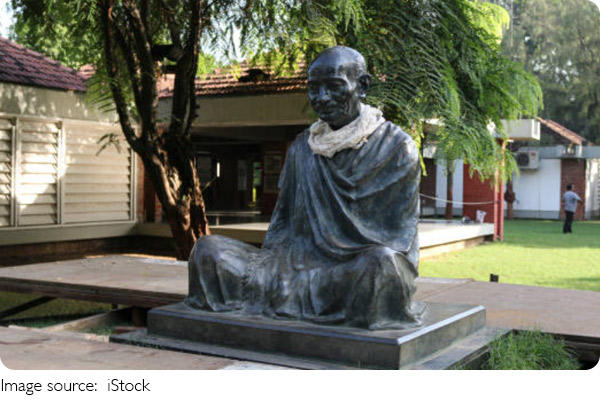
Dear Lykkers. Gandhi founded his first Ashram in India on May 25, 1915, after returning from South Africa, in the Kochrab neighborhood of Ahmedabad. The Ashram was then moved to a plot of open land on the Sabarmati River's banks on June 17, 1917.
The ashram, which was home to Mahatma Gandhi for about a decade, was the cradle of important nonviolent movements that influenced Indian history. It is now a must-see for anybody interested in learning more about the Father of the Nation's teachings, way of life, and legacy.
Visiting Information:
Location:
Sabarmati Ashram is located on Ashram Road, about 5 kilometers from Ahmedabad's city center, making it easily accessible by car or public transportation.
Nestled In The Hills Of Southern India, Kodaikanal Lake Is A Sparkling Gem Where the Misty Mountains Meet Crystal Clear Waters!
Kumbhalgarh Fort & Beyond: 2 Days of Royal Adventure in Rajasthan!
Discover Delhi's Floral Paradise: Why Lodhi Garden Should Be on Your Bucket List?
Koh Lipe Island: Thailand's Hidden spot for travel lovers
Sunbathing Safely at the Beach to Avoid Sunburn Tips
Discover the Rocky Mountains' hidden wonders and thrilling adventures waiting to captivate every traveler!
Entry Fee and Timings:
Entry to Sabarmati Ashram is free, and it is open every day from 10 AM to 6 PM.
Best Time to Visit:
The ideal time to visit Ahmedabad and the ashram is between November and February when the weather is mild and pleasant.
History and Importance of Sabarmati Ashram:
Birthplace of India's Freedom Struggle:
Founded by Mahatma Gandhi in 1917, Sabarmati Ashram became a pivotal center for India's independence movement. Here, Gandhi launched the historic Dandi March in 1930, a defiant act against the British salt tax, marking a turning point in India's quest for freedom. The ashram stands as a testament to this struggle, attracting history enthusiasts and peace-seekers alike.
A Symbol of Nonviolence and Simplicity:
Gandhi believed in simplicity, equality, and self-sufficiency. Sabarmati Ashram embodies these values with its modest architecture, peaceful surroundings, and minimalistic lifestyle practices. Visiting the ashram offers insight into Gandhi's philosophy of "Ahimsa" (nonviolence) and "Swaraj" (self-rule), ideals that resonate strongly within its walls.
Institutions of Ashram:
The Harijan Ashram Trust operates the Mahila Adhyapan Mandir for training primary teachers, the Vinay Mandir for secondary and higher education, and a hostel for Harijan ladies.
The Gujarat Khadi Gramodyog Mandal is responsible for the rural infrastructure. In addition to producing and selling Khadi, handcrafted paper, soap, oil, and other items, it also makes Ambar Charkha, looms, and related items.
Research and training in spinning-weaving, solar energy, bio-gas, etc. are carried out by Khadi Gramodyog Prayog Samiti.
In addition to operating the Environmental Sanitation Institute and doing research and training in rural health and sanitation, Gujarat Harijan Sevak Sangh strives to end untouchability.
Numerous experiments and expansions in farming, animal husbandry, cow breeding and care, and milk production are carried out in a cow-pen for the communities of Bidaj and Lali.
Key Highlights:
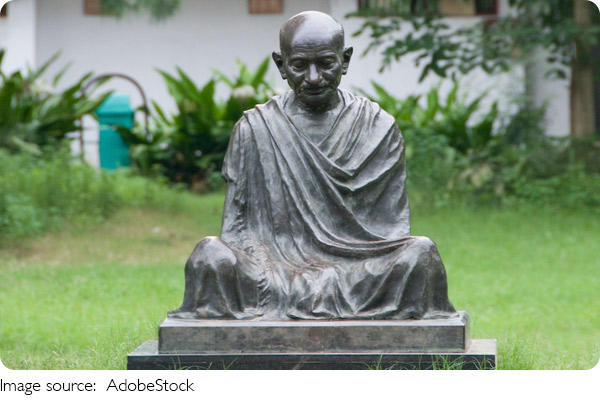
Hriday Kunj: Gandhi’s humble living quarters within the Ashram, is open for visitors to experience. This simple cottage reflects his lifestyle and contains some of his personal belongings, including his writing desk and khadi garments. Hriday Kunj exemplifies Gandhi’s commitment to simplicity, humility, and self-sufficiency.
Gandhi Smarak Sangrahalaya Museum: This museum holds personal items of Gandhi, including his spinning wheel, letters, and photographs, providing a rare glimpse into his life.
Exhibits on Gandhi’s Philosophy: Visitors can engage with detailed displays on his values of non-violence, simplicity, and self-sufficiency.
Historic Site of the Dandi March: The ashram was the starting point of Gandhi’s iconic 1930 Salt March, symbolizing India’s fight for self-reliance and freedom.
Nearby Attractions and Accommodation:
Visitors to the ashram can explore other historical sites in Ahmedabad, such as the Sidi Saiyyed Mosque, Adalaj Stepwell, and the serene Kankaria Lake. Ahmedabad offers various accommodation options, with prices ranging from ₹1,500 to ₹5,000 ($20 to $60) per night.
Local Dining Options:
Ahmedabad is known for its vegetarian cuisine and local Gujarati thalis. Close to the ashram, popular eateries such as Agashiye and Swati Snacks offer authentic flavors, including dishes like dhokla, thepla, and khandvi. Dining is affordable, with meals costing between ₹200-₹500 ($2.50 to $6) per person.
Exploring India's heritage through a visit to Sabarmati Ashram reveals the spirit of independence, harmony, and peace. People all throughout the world are still inspired and educated about the timeless qualities of Mahatma Gandhi's life and legacy by this amazing event.