A Timeless Journey

Caleb Ryan
| 12-11-2024
 · Travel team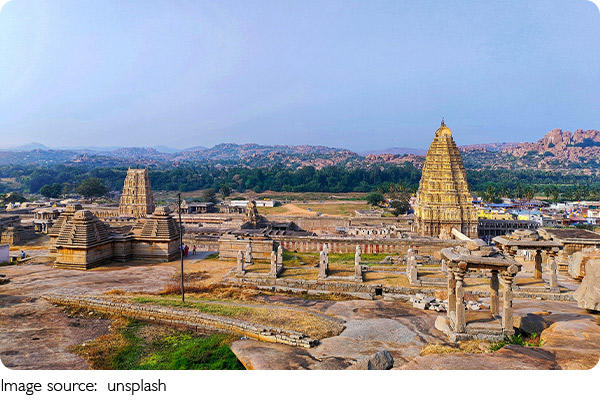
Welcome Lykkers! Nestled on the banks of the Tungabhadra River in the southern state of Karnataka, India, the ancient city of Hampi is a sprawling archaeological site that captivates visitors with its magnificent ruins and storied past.
Recognized as a UNESCO World Heritage Site, Hampi is a testament to the grandeur and cultural sophistication of the Vijayanagara Empire, which ruled much of South India from the 14th to the 17th centuries.
A Brief History of Hampi
Hampi was once the capital of the powerful Vijayanagara Empire, which flourished as a center of commerce, art, and architecture. Founded by Harihara 1 and Bukka Raya 1 in 1336, the empire grew to become one of the most prosperous in Indian history. It was famed for its trade connections with the Persian and Portuguese traders, and patronage of art and culture.
Discover the secrets of the Matterhorn and create memories in the Swiss Alps that will leave you breathless!
Explore Baquit Island’s serene lagoons, vibrant reefs, and sunset views—a peaceful escape in Palawan's natural beauty awaits!
Soar over Cappadocia’s fairy chimneys at sunrise—a magical hot air balloon adventure awaits!
Embark on a journey across Morocco’s golden Sahara Desert!
Explore the wild wonders of Inyo National Forest and create unforgettable memories!
From crispy cracked conch to heavenly guava duff, these Bahamian food gems are a feast you can't afford to miss!
The Architectural Marvels of Hampi
Hampi's landscape is dotted with the remnants of grand temples, palaces, marketplaces, and pavilions. The architectural style of Hampi is a blend of Dravidian and Indo-Muslim influences, showcasing intricate stone carvings and engineering brilliance.
1. Virupaksha Temple
The Virupaksha Temple is one of the oldest and most revered temples in Hampi. Dedicated to Lord Shiva, this temple has been in continuous worship since its inception, even surviving the destruction that befell most of Hampi.
The temple complex features a towering gopuram (gateway tower) that reaches 50 meters in height, covered with carvings that depict various deities and mythological scenes. The temple's sanctity and detailed artwork make it a centerpiece of Hampi's traditions and cultural life.
2. Vijaya Vittala Temple
Renowned for its iconic stone chariot, the Vijaya Vittala Temple is a masterpiece that exemplifies the ingenuity of the Vijayanagara artisans. This temple is dedicated to Lord Vishnu and is known for its intricately carved stone pillars that emit musical notes when tapped—a phenomenon that has fascinated historians and visitors alike. The massive temple complex also includes several pavilions and halls adorned with intricate sculptures and carvings.
3. Lotus Mahal
The Lotus Mahal is an architectural wonder within the Zenana Enclosure, the royal women's quarters. This two-storied structure derives its name from the lotus-shaped domes that crown its roof. Its design reflects a blend of Hindu and Persian styles, characterized by graceful arches, fine carvings, and a symmetrical layout that allows for both functionality and beauty.
4. Hazara Rama Temple
The Hazara Rama Temple is another gem, noted for its unique bas-relief carvings that narrate the stories of the Ramayana, a revered Hindu epic. The temple served as a place of worship for the royal family and was likely an important part of royal ceremonies. Its detailed carvings of processions and various deities provide insights into the cultural life of the Vijayanagara Empire.
The Bazaar Streets and Marketplaces
Hampi's ruins are not limited to temples and palaces; they also include remnants of bustling marketplaces that reflect the city's former status as a thriving trade center. The Hampi Bazaar, also known as the Virupaksha Bazaar, stretched over a kilometer and was once lined with shops selling precious stones, silk, and spices. Today, it remains a testament to the city's past wealth and the vibrant economic life that sustained its empire.
Natural and Scenic Wonders
Apart from its architectural marvels, Hampi is surrounded by surreal landscapes of massive boulder-strewn hills, banana plantations, and the serene Tungabhadra River. The rocky terrain, punctuated by lush greenery, provides stunning viewpoints such as Matanga Hill and Hemakuta Hill, where visitors can witness breathtaking sunrises and sunsets that paint the landscape in shades of gold and crimson.
Preservation and Modern-Day Hampi
In recent years, concerted efforts have been made by the Archaeological Survey of India and UNESCO to preserve Hampi's ruins and prevent further degradation. Conservation projects focus on stabilizing the monuments and promoting sustainable tourism that respects the historical and cultural significance of the site.
Hampi has also become a popular destination for travelers, attracting historians, archaeologists, pilgrims, and backpackers who come to explore the remnants of its glorious past. Annual cultural festivals like the Hampi Utsav celebrate the city's legacy through music, dance, and traditional performances that recreate the grandeur of the Vijayanagara era.
Complete Hampi Travel Guide | Best Places To Visit And Things To Do In Hampi | Tripoto
Video by Tripoto
Tips for Visitors
Best Time to Visit: The ideal time to visit Hampi is between October and March, when the weather is cooler and more conducive to outdoor exploration.
Getting There: Hampi is accessible from nearby cities like Hospet (13 km away), which is well connected by rail and road to major cities like Bangalore and Hyderabad.
Travel Tips: Comfortable walking shoes, sunscreen, and a hat are essential for navigating the vast expanse of ruins and open terrain.
Ticket prices:
Vittala temple: Open between 6 a.m. and 6 p.m., the Hampi entry ticket for Indians and tourists from SAARC and BIMSTEC countries is rupees 30. For foreigners, the ticket is pegged at rupees 500. Entry is free for all children up to the age of 15.
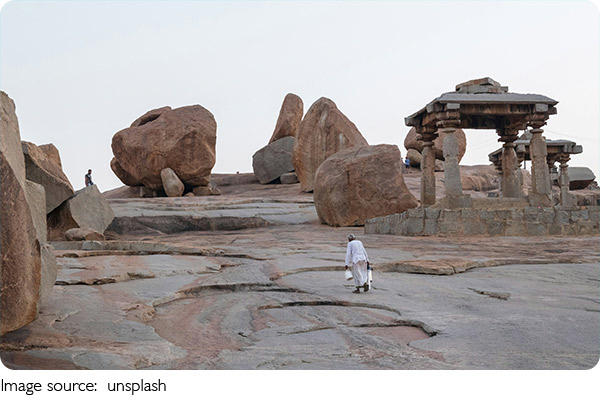
The ruins of Hampi offer an unparalleled glimpse into the grandeur of the Vijayanagara Empire and the cultural richness of medieval South India. Each temple, monument, and carved stone tells a story of a bygone era marked by artistic brilliance and strategic might.
For those who seek history, culture, and adventure, Hampi is a place where the echoes of the past still resonate, inviting all who visit to marvel at the legacy of a once-magnificent empire.